
Essay
Slaying Market Fears: The Path to Riches
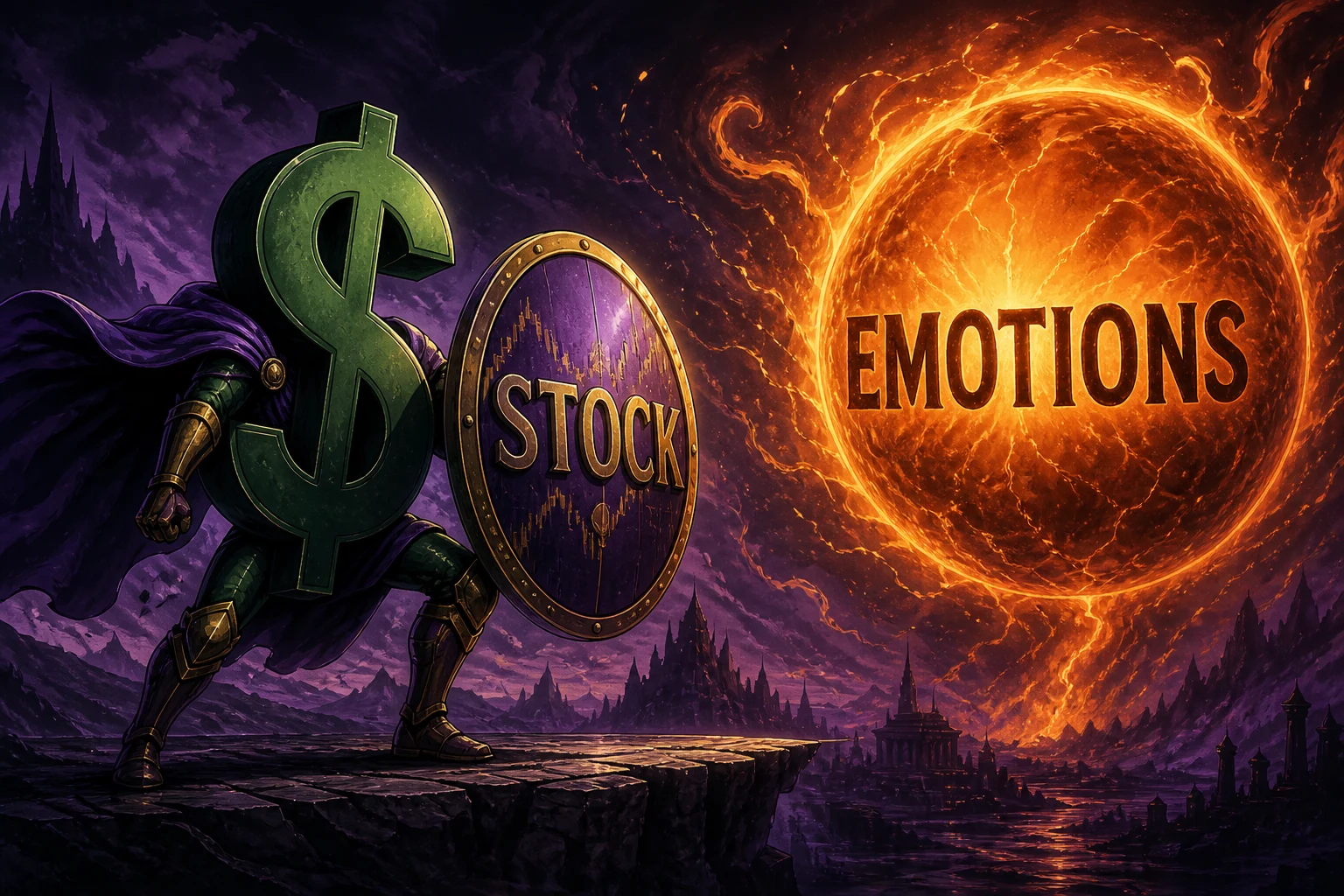
Master Emotions to Conquer Market Volatility
The stock market is a thrilling arena where fortunes rise and fall, but its true challenge lies not in numbers — it’s in mastering your emotions. As Benjamin Graham, the father of value investing, famously wrote in The Intelligent Investor, “The investor’s chief problem — and even his worst enemy — is likely to be himself.” This timeless wisdom underscores a truth I firmly believe: emotional discipline, more than analytical prowess, drives long-term success in investing. Whether you’re navigating the 2021 GameStop frenzy or a tech bubble, Graham’s principles offer a roadmap to wealth through rationality.
The Mr. Market Antidote: Rationality Over Noise
Emotions like greed and fear are the market’s sirens, luring investors to ruin. During bull markets, euphoria fuels overconfidence, pushing people to chase overhyped stocks at inflated prices. Think of the dot-com bubble or meme stock manias — greed drove investors to ignore fundamentals, only to face crushing losses. Conversely, fear triggers panic selling during downturns, locking in losses when fundamentals remain solid. Graham’s antidote? Treat the market as “Mr. Market,” a moody partner offering daily quotes — sometimes absurdly high, sometimes low. Ignore his whims and focus on intrinsic value.
The Margin of Safety Buffer
Graham’s cornerstone is the “margin of safety,” a buffer between a stock’s price and its true worth, derived from rigorous analysis of earnings, assets, and stability. This demands a cool head. Personally, I’ve leaned into defensive investing, favoring stable sectors like utilities to avoid the emotional rollercoaster of speculative bets. Writing down investment decisions helps, too — it anchors me to logic when markets tempt impulsiveness. Behavioral finance backs this: biases like herd mentality or anchoring on past prices sabotage returns. Yet, discipline trumps intuition every time.
Long-Term Discipline in Modern Markets
Critics may claim emotions spark bold moves, like early Tesla bets, but Graham counters that investing isn’t gambling — it’s a business. Buy stocks as if owning a piece of a company, not a lottery ticket. In today’s AI-driven markets, emotional investors are outmatched by algorithms. Blend Graham’s wisdom with modern tools: use data for valuations, but never let hype override facts. Diversify, set long-term goals, and stick to a strategy. As Warren Buffett, Graham’s disciple, proves, patience and emotional balance turn market chaos into opportunity.
Ultimately, the stock market mirrors human psychology — hope, fear, greed. Mastering it means mastering yourself. Graham’s teachings, distilled in The Intelligent Investor, aren’t about being robotic but empowered. By staying rational, you sidestep the traps of overtrading and panic. Commit to discipline, ignore the noise, and let compounding work.
Reference: Graham, B. (2003). The Intelligent Investor. HarperCollins.